Case Study #1: Georgia Mobile Audiology Program
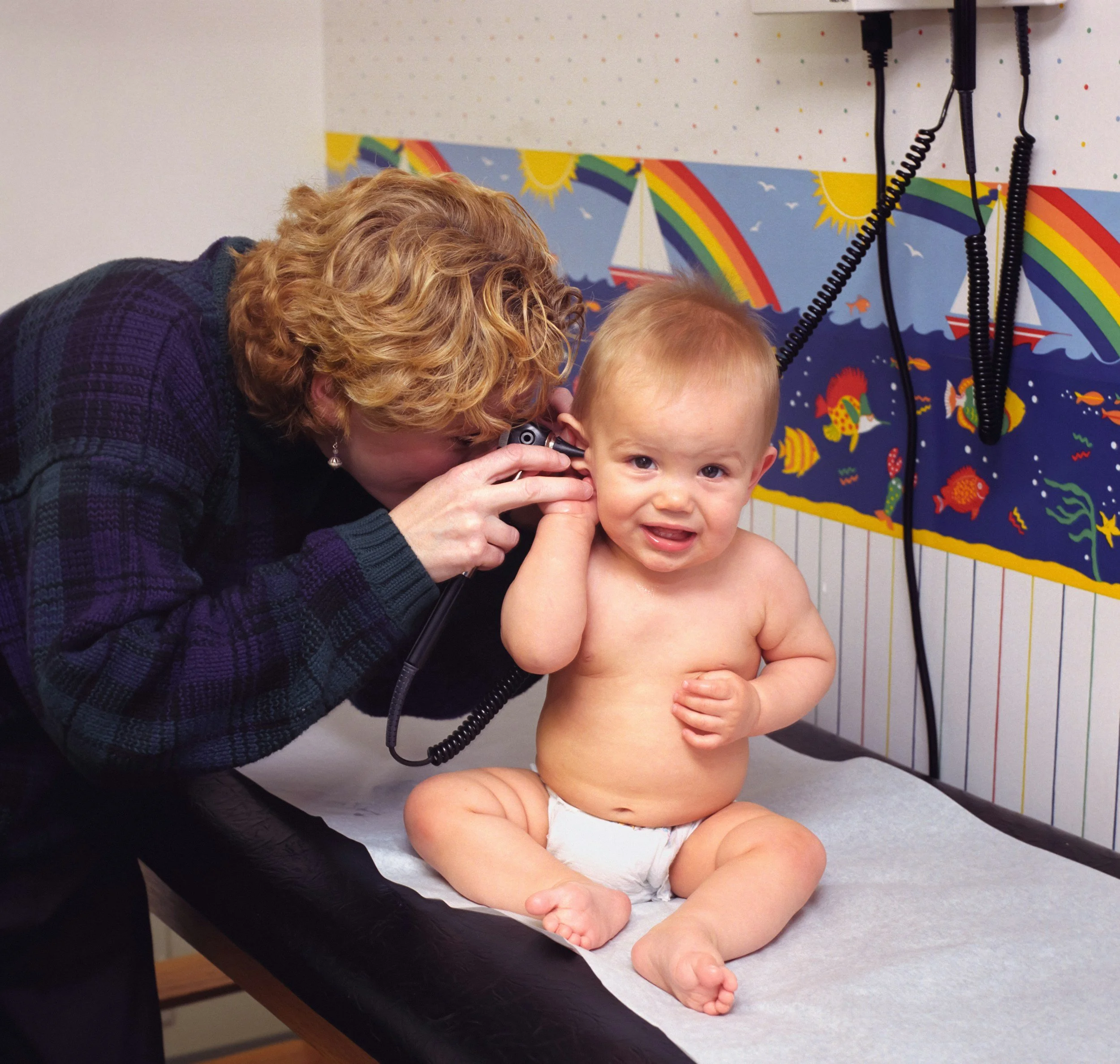
When I began leading Georgia Mobile Audiology, the challenge was not simply a shortage of audiology services. The conditions were different from one part of Georgia to another. Some communities had providers but long waits. Others had geographic barriers, limited local capacity, or fewer options for families. A single statewide approach could not account for all of those differences.
I started using regional data to build a clearer picture of what was happening in each area. We looked at where services existed, where families were having trouble getting connected, what the local workforce looked like, and what resources were available. That changed the conversation from “How do we expand the program?” to “What does this region actually need?”
That approach allowed us to grow in stages instead of waiting for a perfect statewide model. It supported regional strategies, tele-audiology, and additional funding—including work tied to a $1.9 million Governor's grant. The lesson stayed with me: when you understand the differences between communities, you can make better decisions about where to invest and how to grow.
What I learned: Good strategy is not always about making every place the same. Sometimes it is about understanding the differences well enough to build something that can work in each place.
Let’s Connect
I’m always open to conversations about leadership, partnership, and opportunities to create more equitable and effective systems.
404.550.6338 | jpagebergeron@gmail.com | linkedin.com/in/jessica-page-bergeron